

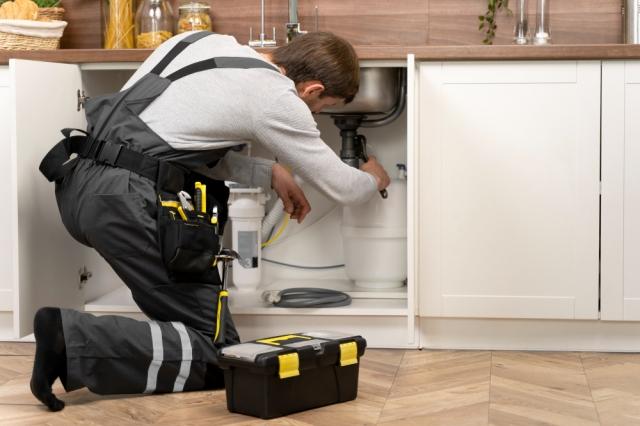
Blocked drains are very frustrating for homeowners. One minute the water flows freely. Next, it's blocked and gurgling with a bad smell. Things like strands of hair, baby wipes, sanitary pads, and toilet paper lead to clogs. These items accumulate in drains and will lead to drain blockage.
There are signs that show when the drains require attention. It starts from the unpleasant smells to slow drainage. Instead of the water to go down the sink or tub, it resides on top. Then, the gurgling noises coming from the pipes. If you notice these signs, these are red flags. The problem is most homeowners delay when they notice these signs.
In this guide, we'll break down what causes blocked drains, when to call a blocked drain plumber in Sydney, how to know if it's time to contact an emergency plumber, the tools and techniques of a plumber, maintenance tips, and choosing the right emergency plumber.
Why Do Drains Keep Getting Blocked?
Recurring clogs or blocked drains come from faulty tools used or misuse. Misuse would be using the drains in ways that can cause damage. A one-off clog can be caused by a kid's toy or hair stuck inside the drain. Frequent blockages, on the other hand, are signs of deeper plumbing issues. This is caused by pouring butter, cooking oils, and grease into the drains. But it's not limited to this. Here are other common causes of recurring blockages.
Common Causes of Recurring Drain Blockages
-
Grease Buildup
Pouring oils and grease into the kitchen sink thickens in pipes. This is what causes stubborn blockages. Cooking and washing dishes causes grease buildup in drains. Pouring bacon grease down the drain instead of wiping all of the grease out of the pan before cleaning is not good for your pipes. The grease accumulates together, and it becomes a grease storm, which would need the attention of an emergency plumber. The downside of this is it comes at a costly rate.
-
Flushing Non-Flushables
Another common cause of a drain blockage is flushing things that should not be inside the drain. The biggest culprits are baby wipes and fats. These fats are milk, cream, lotions, and soaps. Wipes do not break down like toilet paper. So it starts accumulating in drains and will lead to blockage. Even the so-called flushable wipes shouldn't be flushed down the toilet. Fats also cause big problems because of the way they solidify in the drains. These items damage your drainage.
-
Old or Damaged Pipes
Cracked or collapsed pipes are more susceptible to blockage and would require urgent repair. When the pipe is poorly laid across a busy road bearing all sorts of traffic. Or on unstable or poorly compacted soil, this can lead to breakage of the pipe, which results in drain blockage. An exposed sewer pipe can become brittle due to UV rays from the sun.
-
Poor Plumbing Design
Incorrect pipe gradients or poor plumbing design can cause drain blockage. Waste accumulates. There is excessive pressure leading to significant water damage. Poor plumbing design can be caused by using subpar materials or poor layout. These things cause recurring damages.
Is It Time to Call a Blocked Drain Plumber?
How do you know it's time to quit the DIY solutions and call a professional? Finding a plumber for a blocked drain starts with impending signs. When it gets to this level, the issue can only be managed by an expert who can diagnose and fix the problem.
Warning Signs of Emergency Plumbing Work
-
Gurgling sounds from toilets or drains
No matter the cause, don't ignore a gurgling toilet. The weird sound occurs when air escapes backward up through the toilet. It means there is a blockage somewhere, probably in your sewer line or toilet. Numerous things can block it. From tree roots to debris flushed down the toilet. It's possible that the cleaning disturbed and worsened an existing blockage in your sewer lateral, but even that would have involved a problem already underway.
-
Bad odors coming from sinks or showers
Shower, sink, or tub drains can occasionally stink with a foul smell. This odor comes from the buildup of bad bacteria on the walls of the piping above the waterline of the p-trap and shower strainer. A sewer smell can indicate a blocked sewer line, but more likely it indicates a drain trap has dried out. There's always lots of bacteria in this small area but it's in balance. There's the good bacteria and the bad. They are symbiotic with each other. The good bacteria is what cancels out any foul smells. If someone puts a lot of bleach on the drain, sometimes more of the good bacteria gets killed off and the balance is lost, and you end up with foul smells. Too much urine in the drain can also affect the balance. It is best you call an emergency plumber to deal with this.
-
Slow-draining sinks or tubs
Variety of issues can cause slow-running drain in the bathroom sink. Strands of hair, buildup of soap, and larger bits of debris create a mass that blocks the flow of water. Many homeowners put off handling a slow drain, which causes recurring effects. The drain plug sealing joint could be bad, or the flange mount could be rotten. Or the waste pipe flush to the floor is defective. This is a warning sign that you need an emergency blocked drain plumber.
-
Multiple drains blocked at once
Multiple drain blockage is when all the drains or most of them in your home are clogged at once. Clogs affecting multiple drains in your home simultaneously signify serious issues within the home's drain systems. That is because although each drain opening in the house appears separate from the others, they are connected to each other. Take caution with immediate effect. Call the services of an emergency plumber. This is important to prevent costly water damage. Or health hazards. If the clog is thick, it might overflow when someone uses the toilet.
-
Constant Leaking
Constant leaking causes damage. What starts as a small, constant drip can lead to structural damage. From mold growth on the walls or high water bills. Drips, leaks, clogs, or smells, don't let it slide as a homeowner. These plumbing problems don't go away and will get much more expensive. It would only get worse. More complicated, and very expensive. Deal with it on time so the repercussions are not burdensome. Prompt action protects your home from leaks and damages. It also saves you money.
-
No Access to Clean Water
Another warning sign is when there is limited to no access to clean water. There are different factors for this. From a burst pipe to a blocked line, or a hidden leak. From cooking in the house to cleaning, bathing and drinking. Don't ignore the warning signs. Address the issue promptly to avoid more cost.
-
Flooding in Bathrooms
Not checking the water flow can damage floors and walls. It also causes electrical hazards. Flooding in the bathrooms is both messy and dangerous. If water has leaked and flooded the bathroom area, ensure safety. This is a red flag that you need to look at. If you identify the source of the leak, a broken pipe or appliance malfunction, and you can't stop it, get a plumber. To prevent further hazards.
What a Professional Blocked Drain Plumber Will Do
Hiring a licensed plumber in Sydney is more than checking the problem in your drain. A professional blocked drain plumber looks at the root cause and provides long-term solutions. These are the tools and techniques used by professional plumber;
-
CCTV Drain Camera Inspections
To locate the exact source of the blockage. A CCTV drain inspection is a non-invasive way to tackle ongoing plumbing problems like blocked drains or sluggish pipes. Plumbers use this advanced diagnostic tool to find issues in your drainage system, all without needing to dig up your yard.
-
High-Pressure Water Jetting
High-pressure cleaning is using water from a high pressure to clean a surface. To remove contaminants sticking to it. This is a narrow, high-pressure jet of hot or cold water to blast dirt free. The water comes out at full pressure. It travels fast and hits the dirty surface with high kinetic energy. The water knocks dirt and dust away like a constant rain of tiny hammer blows. Plumbers used this to clear stubborn grease and debris. Keeping the drain clean.
-
Pipe Relining
In the pipe relining method, plumbers do not replace the existing sewer pipe if there are any damages in it. In the pipe relining approach, the plumbing professionals apply an epoxy lining to the weaker sections of a pipe. It is this epoxy lining that enhances the strength of a pipe in absolute terms. Pipe relining is a cost-effective process to rehabilitate damaged drains in the homes. An increasing number of individuals are preferring pipe relining approaches as they are hassle-free in every sense.
-
Drain Locators
There are several different types of drain detection devices. And basically it comes down to what type of piping is used to contain the water in your walls. These tools are quite pricey. The average plumber charges approximately $400 to find a leak either in the wall or below the slab with locators. It's a great device for pinpointing accuracy in pipe layout and issues.
Benefits of Hiring a Local Plumber in Sydney
-
Fast response times
Emergencies are handled promptly with a local plumber. Because of access and fast response time. The plumbers diagnose and fix issues like leaks. Clogged drains and faulty pipes. A local plumber is trained to ensure long-term efficiency and lasting repairs. The plumbers come prepared, get the job done right, and let your pipes get back to normal.
-
Knowledge of common residential issues
Because of experience, a local plumber understands that ignoring one small detail can lead to failed inspections. And costly delays. A local plumber uses a calculated approach, which helps avoid the headache of rework and keeps you satisfied with the job done.
-
Access to the right equipment
Local plumbers have the specialized tools and technology to handle specific plumbing challenges. From using the high-pressure jetters for blocked drains or thermal imaging for detecting hidden leaks. This means faster solutions and less disruption to your home or business.
-
Warrantied work and reliable service
Local plumbers understand the importance of backing their work with warranties. This gives you peace of mind. If anything goes wrong after the job, they're just around the corner and ready to make it right.
Maintenance Tips to Minimize Future Blockages
It's important and critical to call professionals when needed. But there are also preventive steps you can take to reduce the risk of drain issues. Here are maintenance tips to minimize future blockages;
-
Don't pour grease down the sink
Pouring grease from cooking into your drain will cause problems. The grease builds up and blocks the pipes. Soak up the grease with paper towels and throw the paper towels and grease in the garbage. Or pour the grease into a leftover container (for example, a can from canned goods) and throw that container in the garbage.
-
Install drain strainers in showers and kitchen sinks
When installing the strainer, there should be a bead of plumber's putty between the strainer and the sink (on the top side) and a rubber ring (gasket) on the bottom side of the sink. The putty is there to provide a seal between the strainer and the sink base. This should be tightened such that the putty is seen around the strainer, which is then removed.
-
Flush only toilet paper
Don't flush things like wipes, cotton balls, and hygiene products down the drain. Every time stuff like that ends up in the drainage, it costs extra to deal with it. It is not the same as human waste or a toilet paper can. Junk like that can also cause sewer or septic system backups, which can be extremely expensive to repair.
-
Use boiling water weekly to flush kitchen drains and reduce grease buildup
Pour boiling water down your drains at least once a week to help dissolve any small grease buildups. It's a combination of both baking soda and vinegar. Pour half cup of baking soda. And one cup of vinegar down the drain. Let it fizz and sit for 10–15 minutes. Before flushing with hot water. This helps break down grime and grease. This method reduces odors. And maintains a healthy water flow.
Deciding on the Right Emergency Plumber
Before finding the right emergency plumber, you need to find someone who is reliable, fast, and experienced. This is what you need to look out for
-
24/7 Availability
It should always be responsive. Somewhere close to your location with an emergency on-call person available 24/7.For emergencies, a plumbing service with a quick response time is necessary.
-
Licensed and insured
Head over to the company's reviews and see what other customers are saying about them. Also, ensure your plumber is licensed.
-
Transparent pricing
Transparent quotes and pricing are what give you the clear analysis and breakdown of where your money is going. There must be a clear, outlined quotation that has been agreed upon between you and the plumber.
-
Experience with blocked drains
The plumber must have experience dealing with blocked drains. If there is a drain that keeps clogging or you have tried fixing it yourself without success, get an experienced local blocked drain plumber to resolve the issue for you. Some blockages are best fixed by disassembling underlying pipes and extracting clogs manually. This is best handled by a plumbing professional who has the tools and materials to do so.
-
Local reviews and recommendations from family
Get reviews and ask questions of people you know have actually worked with them before. Word of mouth is more effective than any modern-day ad sale. A good plumber will be snowed under just from recommendations to friends and family.
Conclusion
Dealing with blocked drains can be very nerve-wracking. And the problem starts from ignoring the early warning signs. The gurgling sounds, slow drains, foul odours and water staying on top of the drains. It would cost homeowners more money, time and resources. This is why hiring a trusted local blocked drain plumber in Sydney is one of the smartest steps you can take.
There are benefits attached to hiring a local plumber in Sydney. From fast response times, knowledge about local plumbing codes, access to the right equipment, warrantied work and reliable service. They also come equipped with tools. Devices like drain camera inspections, high-pressure jetters, and pipe recliners and drain locators get the job done right quickly and efficiently.
Don't wait until a minor blockage. So it doesn't shift to a full-blown plumbing emergency. With safeguarding, regular maintenance, and help from a reliable plumber. Your drains keep flowing freely. The water system is kept safe and secure and your home is sanitary.